


Alternative routes and modes of transport
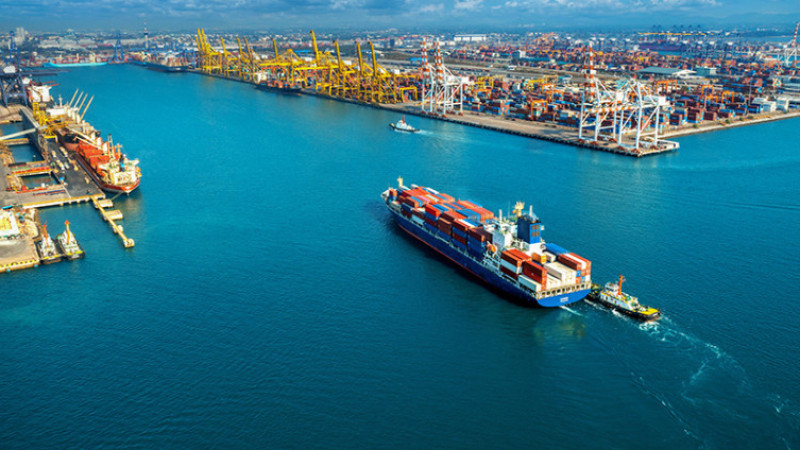
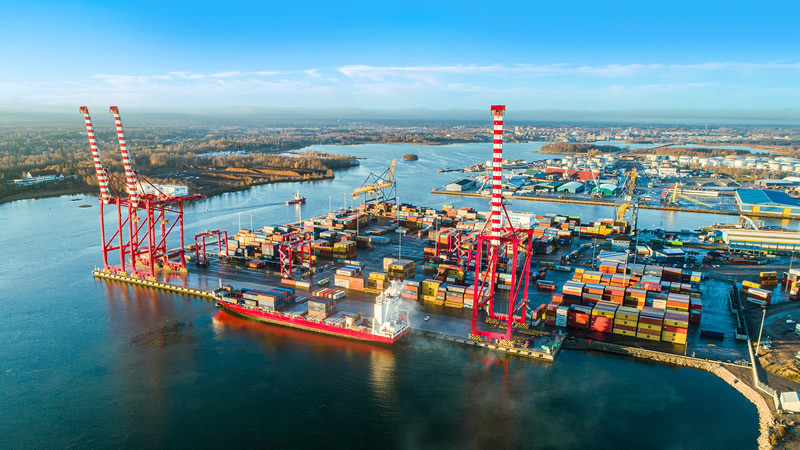
While alternative routes gain attention, maritime transport remains dominant, carrying 88.5% of global trade thanks to its unmatched scale, cost efficiency, and long-distance advantage.

Advocating alternative routes and modes of transport has become something of a trend lately. I’m not against shifting cargo from maritime transport to other modes or routes—by all means, go ahead. Move it by truck, by rail, even by air if you wish. But before continuing the debate, it might be worth recalling a simple fact often shown in the very first lesson of maritime transport—it tends to put things into perspective.
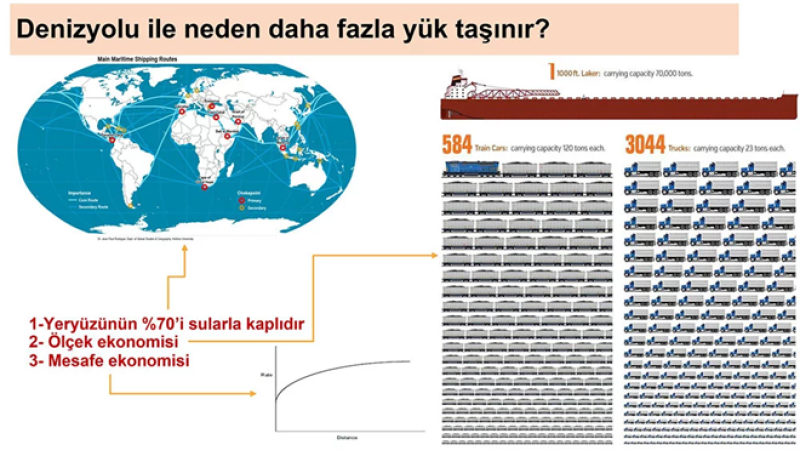
To reinforce that point, let me add a few notes:
-- In 2025, 1.68 billion tons of cargo were transported by land and air, compared to 12.9 billion tons carried by sea. In other words, only 11.5% of global trade cargo could be handled by alternative modes such as road, rail, or air.
-- So why does maritime transport dominate so overwhelmingly (88.5%)? There are three key reasons:
- For certain commodities—such as oil and petroleum products, coal, iron ore, grain, and LNG—production and consumption centers are separated by oceans, or the distances involved are simply too vast. In many cases, there is no practical alternative. These commodities alone accounted for roughly 6 billion tons in 2025.
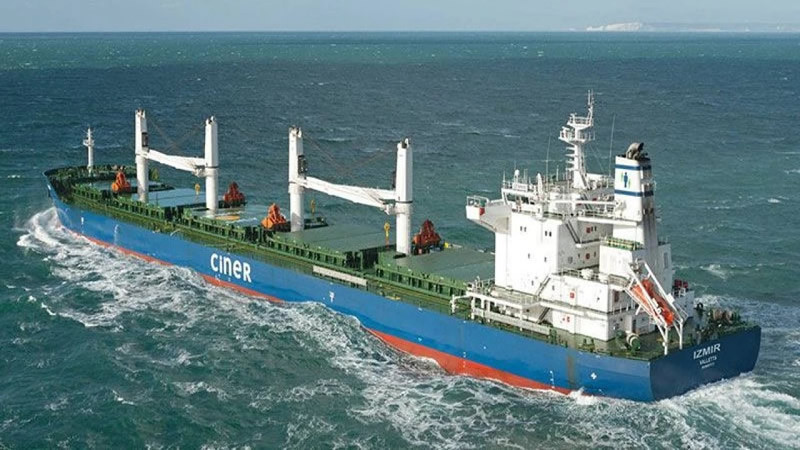
- Ships can carry extraordinarily large volumes in a single voyage. As volume increases, unit costs fall—this is the power of economies of scale. Maritime transport is unmatched in this regard. For example, it would take around 20,000 trucks to carry the load of a single large oil tanker or container vessel. Lined up, those trucks would stretch for about 330 kilometers.
- Over long distances, maritime transport becomes even more advantageous because unit costs continue to decrease as distance increases—what we call economies of distance.
Before advocating a shift toward alternative routes, it’s also important to consider the scale of global trade:
Even at its most ambitious, the Belt and Road northern corridor managed to move about 1.5 million TEU (with a 2040 projection of 3 million TEU). Meanwhile, ships were transporting roughly 30 million TEU along that same corridor and about 200 million TEU globally. The Middle Corridor’s volumes remain so limited that it may only become meaningful to discuss once major projects like the Istanbul Northern Railway Crossing (INRAIL)—with a total cost of $8.3 billion and recently backed by $2 billion in World Bank financing—are completed. Its target capacity is 50 million tons per year, equivalent to just 25 days of traffic through the Suez Canal.
Arctic northern sea routes are also attracting significant attention. Yet in 2025, total transit cargo along these routes amounted to just 3.2 million tons, whereas even during the Houthi-related disruptions, the Suez Canal was still handling around 2 million tons per day.
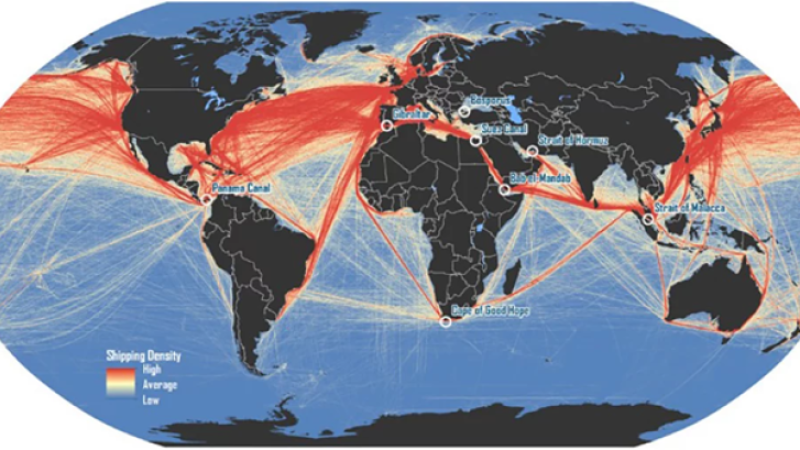
In short, discussions about alternative routes will continue but so will the dominance of maritime transport.